
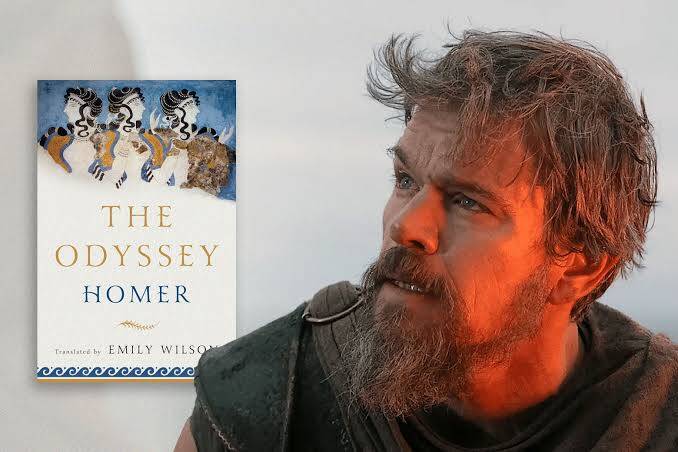
Christopher Nolan’s recent release of The Odyssey is an exceptional adaption of the ancient epic, capturing its grandeur and humanity. From the stance of a mere movie watcher, the film is a visual masterpiece, capturing beautiful landscapes and emotional dialogue. Every scene and setting contains elements which feel familiar and human, yet mythical and larger than life. The acting performances of renowned actors did not disappoint at all, creating the great emotional weight of the tale filled with power struggles, perseverance, and longing for home. It was also very compelling to learn that Nolan avoided use of CGI greatly, relying on clay molds for the scene when Circe turns Odysseus’ men into pigs, and a massive 60-foot puppet for the cyclops – this really showed his commitment to making the mythical world feel tangible and authentic.
Beyond these stunning visuals, the film truly captures the moral struggle and complexity which has allowed the tale to persist for so many centuries. It reveals the flaws of Odysseus, including his pride and consequences of his cleverness. The themes which Homer included in his story – loyalty, hospitality, and perseverance - are highlighted and resonate with the audience, causing them to reflect and ponder on these. This adaption is quite close to the original text, preserving the main structure and obstacles which Odysseus faces. However, a few parts which demand greater explanation or emphasis are shortened or even completely omitted. The most prominent which has been noticed is the famous scene where Odysseus tells the cyclops, Polyphemus, that his name is “Nobody” after blinding him, demonstrating not only his cleverness, but his flaw of pride. The inclusion of this scene is not merely iconic, but emphasizes that Odysseus is not the perfect, divinely favored leader which the movie leans into painting him as but has flaws which he is willing to act on at the expense of his crew’s safety. There are other smaller omissions such as the landing on the island of the Lotus-Eaters, and gaining the Bag of Winds from King Aeoleus, and while they are noticeable to perceptive readers of the original epic, they do not remove from the overall success and grandiose of the film. Overall, this movie is a cinematic masterpiece and accurate adaption, that is engaging, morally riveting and a worthwhile watch.
Add comment
Comments